Riverside Paths Along the Vltava River
Discover the best stretches of scenic walking along central Bohemia's most beautiful river. Flat terrain, charming villages, and views that change with every season.

Why the Vltava River Walks Stand Out
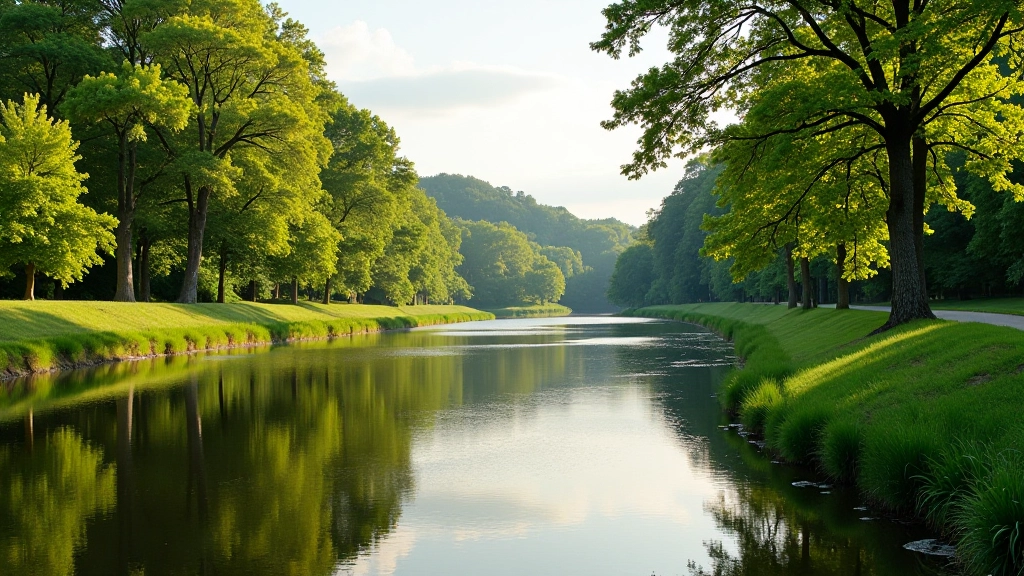
The Vltava River stretches across 430 kilometers through the heart of Bohemia. It's not just water — it's a corridor of life. You'll walk past medieval bridges, riverside villages frozen in time, and landscapes that shift from urban Prague to wild countryside.
What makes these walks different? They're genuinely flat. No steep climbs. No technical terrain. Most stretches follow established paths that locals have used for centuries. You'll see why people come back to the same routes year after year.
430
kilometers of river through Bohemia
12+
established walking sections
3-8
hours typical walk duration
01
The Prague to Mělník Route
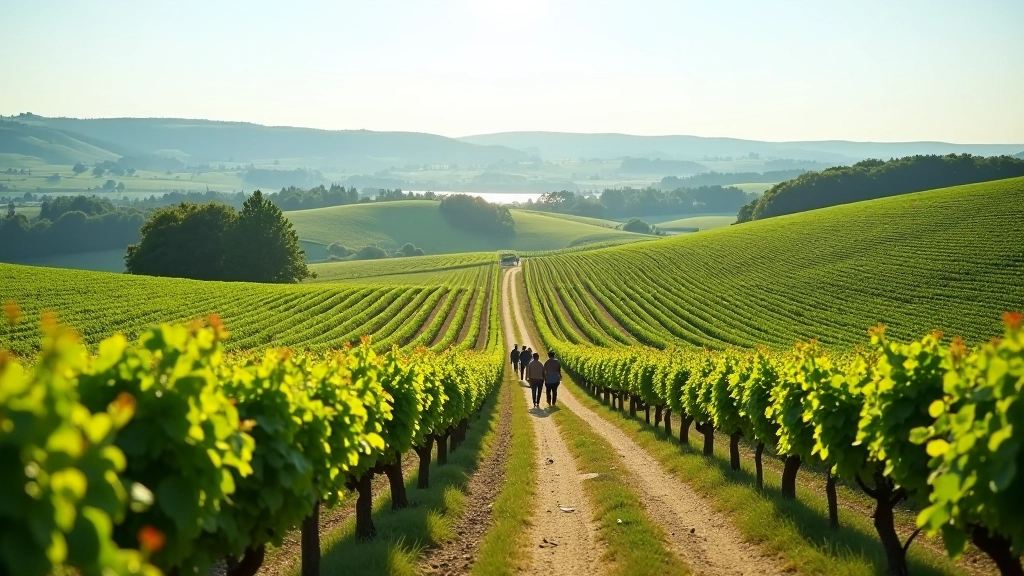
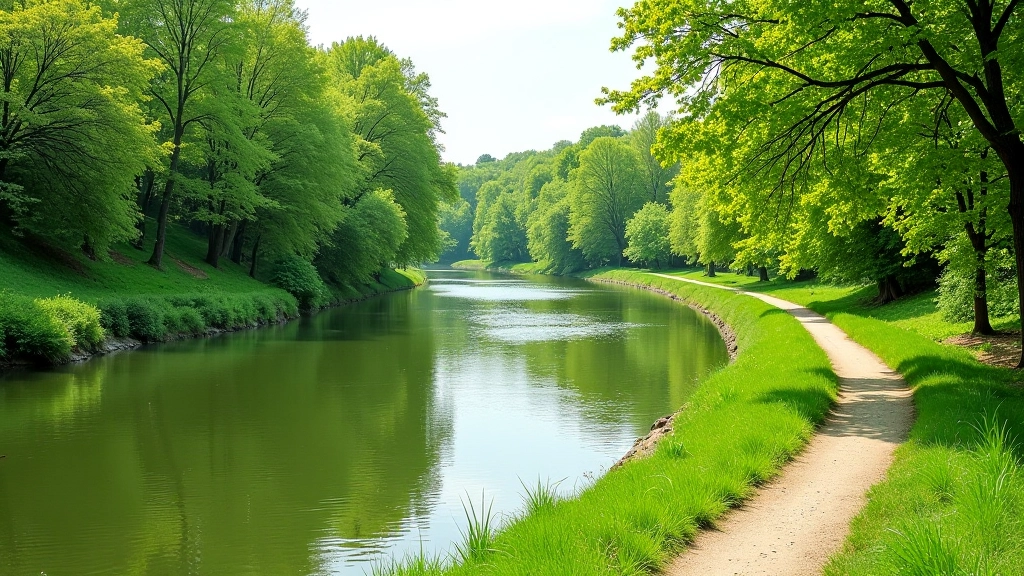
This is the most accessible stretch. Starting from Prague's edge, you'll walk about 30 kilometers north over 8-10 hours (or split it across two days). The path hugs the river closely through wine country. You're looking at flat terrain throughout — no surprises elevation-wise.
You'll pass through Roudnice nad Labem and smaller villages where the pace slows down. Real bakeries selling fresh bread. People fishing from the banks. In spring and autumn, the light hits the water differently each hour. Summer's green and dense. Winter reveals the architecture of bare branches and stone walls you'd miss otherwise.
Best time? April through October. The path isn't muddy in shoulder seasons like spring or fall — it's just quiet. You won't see crowds on a Tuesday in May. Bring water. The villages have small shops, but don't count on finding supplies every 5 kilometers.
02
Český Krumlov to České Budějovice
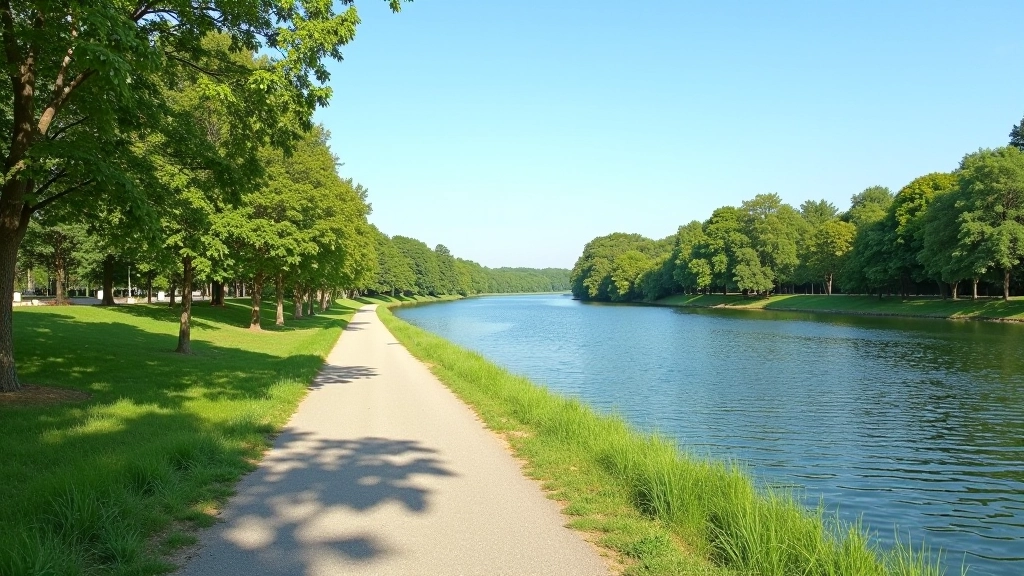
South Bohemia's river section is different. Tighter valleys. The water moves faster here. You're walking through landscape that feels more enclosed than the northern stretches. The path winds alongside the river for about 20 kilometers between these two towns.
This route takes 5-7 hours depending on your pace and how often you stop. And you'll want to stop. The scenery changes constantly. Medieval castle walls appear above the tree line. The river cuts through limestone. Small rapids appear where the water narrows.
The challenge here isn't distance or elevation — it's that the path can be narrower and occasionally muddy after rain. Wear shoes with grip. The reward is solitude. You'll see far fewer people than the Prague-Mělník route. This walk feels less "established tourist path" and more "local secret."
Important Information
This article provides educational information about walking routes and terrain conditions. Weather, water levels, and path conditions vary seasonally. Always check local conditions before heading out. Wear appropriate footwear, bring sufficient water, and let someone know your plans. The Vltava River can be hazardous during high water periods. This information is for educational purposes and shouldn't replace local guidance from tourism offices or experienced guides familiar with current conditions.
03
What to Actually Bring
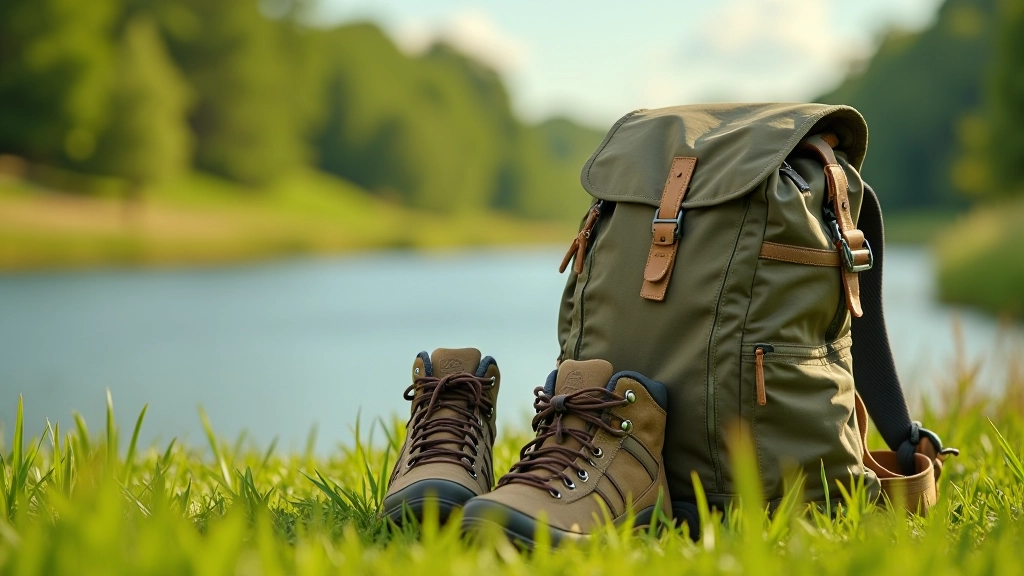
People overthink gear for these walks. You don't need specialized equipment. Comfortable shoes matter more than anything. Something with ankle support because the ground's uneven in places. Bring 2-3 liters of water depending on the temperature. Food-wise, pack what you'd normally eat. Sandwiches work. Fruit works. The walking itself is gentle enough that you won't burn massive calories.
Weather changes fast near water. A light rain jacket saves the day. Sun protection matters — the water reflects light and you'll underestimate UV exposure. Hat optional but smart. Bring a basic map or download offline maps. Phone signal isn't guaranteed in all areas, especially south of České Budějovice.
- Comfortable walking shoes with grip
- Water (2-3 liters minimum)
- Light rain jacket or wind layer
- Sun protection (hat, sunscreen)
- Snacks (fruit, sandwiches, energy bars)
- Offline maps or guidebook
04
The Villages You'll Actually See
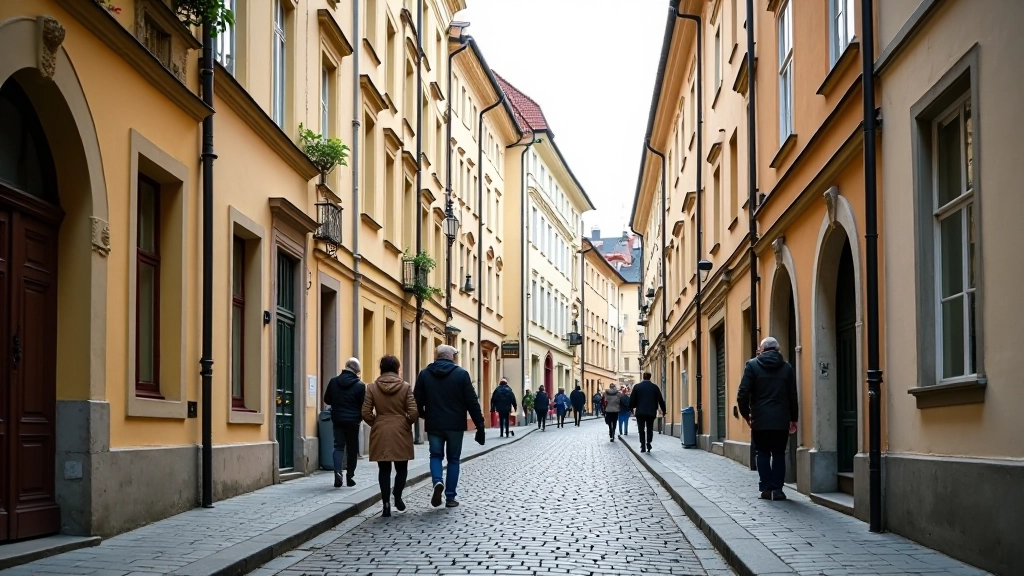
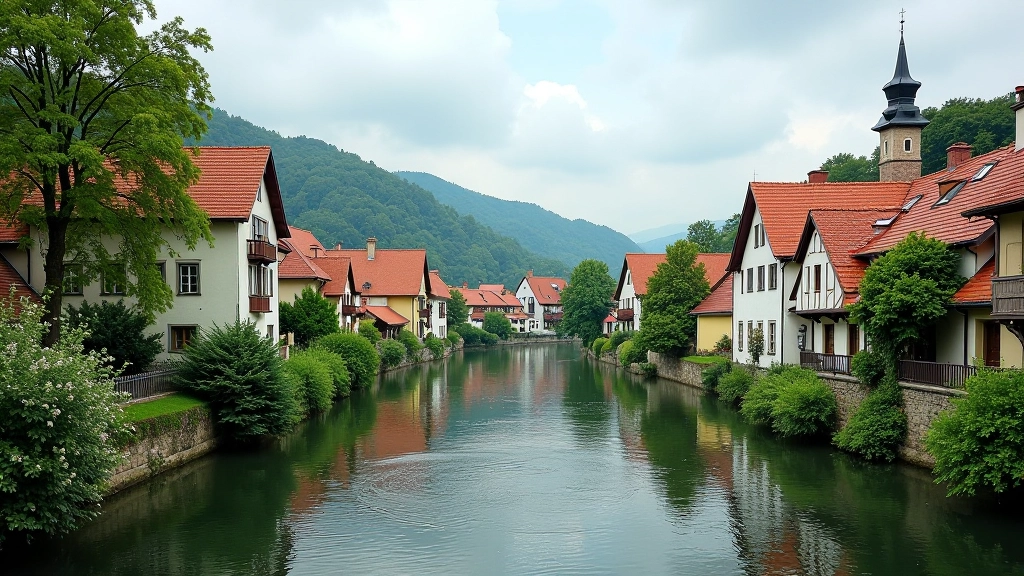
These aren't tourist destinations with gift shops on every corner. They're actual places where people live. Roudnice nad Labem has a castle overlooking the river and real cafés where locals drink coffee. Melník's wine region produces wines you won't find in Prague's tourist shops. České Budějovice has one of Europe's best squares if you want to rest your feet for an hour.
What you won't find: McDonald's, chain hotels, or manufactured "experiences." You will find bakeries that open at 6 AM. Family-run restaurants where the owner's grandmother does the cooking. Small pubs where you'll be the only tourist and that's genuinely fine.
The walk itself is the experience. The villages are breaks between stretches. Grab lunch. Refill your water. Talk to the person behind the counter who'll probably ask where you're walking to and give you advice you didn't know you needed.
Why These Walks Deserve Your Time
The Vltava River walks aren't about conquering challenging terrain or checking off a bucket list. They're about moving through landscape at walking speed. You notice details. The way light changes on water. How the architecture shifts between regions. Conversations with people you meet along the way.
Most people who do these walks once come back. They try different seasons. They explore sections they missed. They bring friends. There's something about walking alongside water that settles the mind. The rhythm of steps. The sound of the river. No phones buzzing. No meetings scheduled.
Start with the Prague-Mělník route if you want easier logistics and established infrastructure. Go for Český Krumlov to České Budějovice if you want to feel like you've discovered something. Either way, you're walking through the same landscape that's shaped central European culture for centuries. That matters. That's worth the time.
Explore More Walking Routes